Bed bug bites are also not characteristically itchy, but they do emit puss when scratched. This is due to the saliva that bed bugs inject into the skin upon biting. The saliva also contains an anticoagulant that numbs the victims from feeling the bite in the first place. Consequently, people do not realize they've been bitten until a day or more afterwards.
The best way to know whether the red bumps on your skin are actually bed bug bites is to find other signs of bed bugs around your home. Though their name indicates their preferred habitat in between the creases of mattresses, bed bugs can live anywhere that is damp and protected. Thus, they can also be found living in sofas, rugs and wooden bed frames. Because of their small size and nocturnal habits, bed bugs can live and thrive anywhere that is dark and shielded from exposure. Wall cracks, corners, and bookshelves are also places that bed bugs can flourish. Remember bed bugs lived with us at one time in caves.
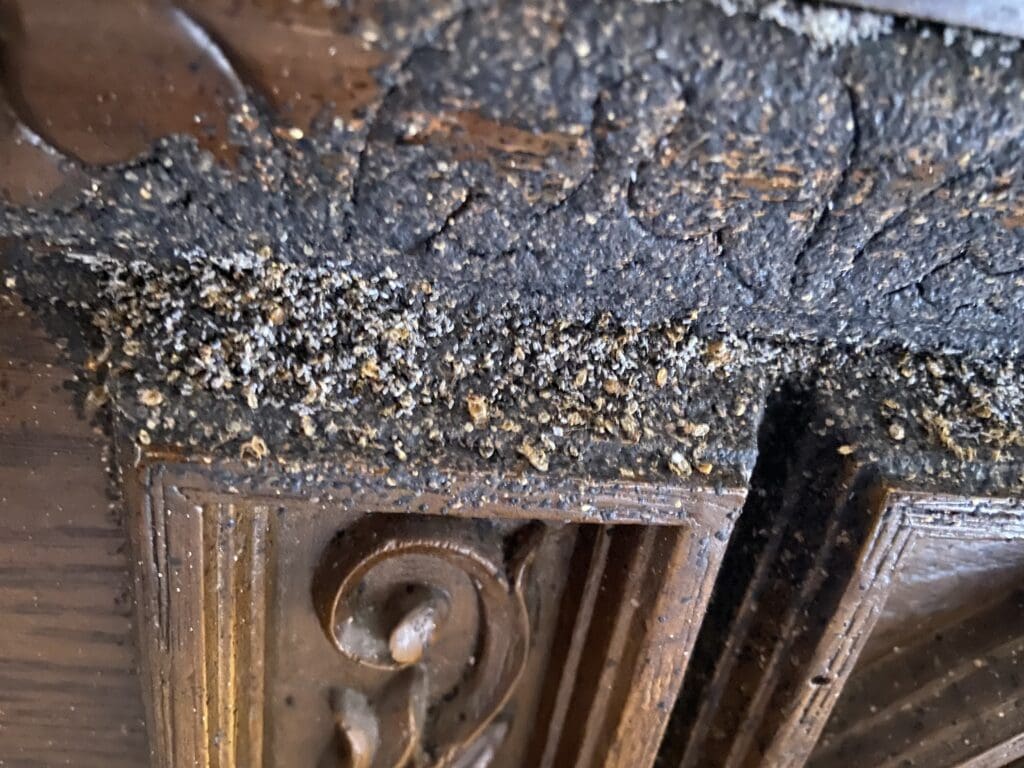
Bed bugs also leave a trail of tell-tale signs wherever they go. Small spots of blood on the bed sheets and sofa covers are likely to be from bed bugs; tiny fecal matter in these areas is also a sign of a bed bug's presence.
When it comes to bed bugs or any kind of pest, there is nothing that surpasses effective prevention. Preventative measures against bed bugs work to keep them from flourishing to other parts of the home and to stop them from entering the home in the first place.
There are many ways to avoid bed bugs and prevent bed bug bites:
- Wash all sheets, bedding, and pillow in hot water or have it dry-cleaned.
- Encase your mattress in a Safe Rest Mattress Encasement. Which we can provide for you.
- Move the bed or sofa away from the wall to keep bed bugs from crawling up the wall and onto the furniture.
- Place double-sided duct tape or sticky solution at the bottom of the bed frame's legs to prevent the pests from advancing further toward your bed.
- Keep clothing and afghan blankets away from hanging down towards the floor.
- Sleep fully clothed, as bed bugs attack exposed skin.
When it comes to bed bugs and keeping them away from your home, it can be a frustrating endeavor. Their microscopic size and ability to live just about anywhere under any climate condition makes them a hardy brand of pest that has proven difficult in getting rid of, but at the same time, not entirely impossible.
Some of the most common ways to prevent bed bugs are:
- Washing the bed sheets frequently - As their name suggests, bed bugs most prefer to live in between the sheets and mattresses where they can easily attack people to feed on human blood and get away unscathed.
- Sealing mattresses in casings - Bed bugs have no means to penetrate through any kind of material, particularly those that are synthetically produced. Wrapping a Safe Rest casing around the mattress effectively seals them from entering deeper and prevents the creation of a breeding habitat.
- Vacuuming carpets, rugs, and corners - Bed bugs can live in the corners of rooms where it is dark and damp, so running a vacuum over these places can significantly reduce the likelihood of bed bugs building a habitat.
Other ways you can prevent bed bugs from sharing your home is:
- Knowing how to identify them - because they are so small and nocturnal, it can be hard to catch them, especially if you're not even sure of what they look like. Identifying them from the get-go can help stave off an infestation early on.
- Watch what you bring inside - Bed bugs can hitch a ride anywhere on your belongings, including suitcases, coats, and bags brought back from traveling or even while moving. Be sure everything is cleaned and sanitized if you are worried about a bed bug infestation. Avoid putting suitcases on top of the bed.
- Clean the furniture - Bed bugs and their ability to live just about anywhere are also frequently found in between couches and kitchen table chairs. Sealing them under casings and cleaning them often helps to keep them away. Avoid using antique or used furniture until it has been inspected for bed bugs and eggs.
The saying is true - don't let the bed bugs bite! But not because they seriously harm you; it's because they can create rashes that are annoying and frustrating to deal with.
Unfortunately, identifying a bed bug's rash is not as easy of a task as one might believe. This is because the bed bug bites look exactly like any other bug bites: small, round, and red with a hint of swelling. Sound familiar? Mosquitoes, fleas, ants and lice all ironically bite in a similar fashion, creating nearly the same effect on the human skin - including rashes. This causes many victims to treat a bed bugs rash in the wrong manner.
- Pattern of multiple bumps. Bed bugs rash develops from bed bugs that bite in a clustered pattern or in a single-file row. Bed bugs also like feeding on the same area more than once, so consistent biting in a select area is definitely a unique trait of bed bug bites.
- Consistent biting. Not only do bed bugs bite in the same area multiple times, they do it over and over in a given amount of time. If you experience a bug bite anywhere on your body consistently over a few days or weeks, it's worth investigating whether or not it's bed bugs.
- Delayed swelling. A bed bug's rash only develops once the initial bite starts swelling after a few days. There is no conclusive reason yet on why the delay occurs, but it nevertheless does and bed bug bite victims should prepare for possible infections and inflammations.
- Biting at night. While many bugs have a penchant for biting during the nights (e.g., mosquitoes), bed bugs are also privy to attacking during sleeping hours. If you regularly find yourself with new bites upon waking up in the morning, it is likely they're from bed bugs.
Think you've got a bed bug bite? You are probably not the only one. Homeowners and hotel managers have all taken notice to the recent resurgence of bed bugs in both private and public dwellings. They have been traced back to a number of sources - unwashed sheets, unsanitary living conditions - but the result has always been a suspicious bout of red, itchy dots all over the body. Yet, there are many other bugs and insects that leave the same effects. So how are we supposed to tell?
Bed bug symptoms may not be quite as distinguishable as other types of insect bites, but there are a few tell-tale signs:
- Small, red, and strategic - These are the classic signs of a bed bug bite. Not only are they relatively similar to mosquito bites, bed bugs also tend to bite in a linear pattern that leaves two to three bites in a convenient little line. Not all bed bugs bite in this manner, but if you find a bite that looks similar to this, it may very well be a bed bug bite.
- Itchy and swollen - Another bed bug symptom that may be common in other bugs, most bed bugs bites will also leave the unpleasant remnants of itchiness and swelling.
- Bites in exposed areas at night - The feet, neck, face, and hands are some of the areas most prone to receiving bed bug bites, simply because they remain exposed during sleep. Again, other bugs may also bite, but repeated bites during the night are a good indication that they may be coming from bed bugs.
In recent years, the U.S. has experienced a resurgence of bed bug cases after nearly half a century. Although they tend to concentrate around urban areas (New York and Philadelphia in particular), bed bugs have also been spotted in Ohio and New Jersey. The main cause has been attributed to a resistance of common pesticides used against bed bugs, which encourages them to grow and spread, harming humans and pets with their itchy bites.
Homeowners are forever looking for ways on how to kill bed bugs at home without resorting to toxic chemicals like propoxur, which in 2009, was considered the only chemical effective enough to kill bed bugs. The Environmental Protection Agency has yet to approve the use of the chemical indoors, as it has been considered a probable carcinogen and banned since 2007. However, when the situation gets desperate, people will start turning to anything that can help them figure out how to kill bed bugs at home. Here are a few tips on how to get rid of bed bugs without compromising the safety of your home.
- Pyrethrin, which provides a quick knockdown but little long-term control
- Synthetic pyrethroid pest control products (cyhalothrin, bifenthrin, deltamethrin and permethrin)
- Chlorfenapyr (found under the name Phantom)
- Hydroprene (Gentrol), which causes sterility in adult bed bugs
- D-Force HPX with deltamethrin
- Demand CS with synthetic pyrethroids
- CB-80 Pryethrum
- Gentrol Aerosol
- Delta Dust with deltamethrin
- Diatomaceous earth (DE): Made from tiny fossilized water plants, the food grade version of diatomaceous earth has proven itself to be one of the most powerful organic bed bug control products. DE punctures through the bed bugs' exoskeletons and absorbs all the moisture from inside their bodies. The bed bugs dehydrate and their bodies dry out. Diatomaceous earth is easy to use - just sprinkle it onto the infested areas and then vacuum after a few days' time. DE will not harm pets or humans, but it can take a long time for complete bed bug removal.
- Kleen Free: Another organic pest control product, Kleen Free is a spray that uses a unique combination of enzymes to attack and kill bed bugs. Kleen Free is completely non-toxic and safe to use around kids or pets. This product has been used by hospitals and other large organizations.
- Safe Rest Bed Mattress Encasements: This mattress encasement features a three-sided zipper system with a secure seal. It not only keeps future bed bugs from getting into your mattress, but it also keeps the old ones from ever crawling out. Any current bed bug infestation will be suffocated inside the sealed encasement, so there will be no need to fumigate or throw away your mattress. Pillow encasements can be purchased as well.
- Climbup Insect Interceptor: This device is a simple trap that is placed under the legs of furniture, particularly beds and upholstered pieces. Bugs travel in search of food (you) and will be caught as they attempt to climb onto the beds or other furniture. While not a potent pest control device, this product does help with early detection and catches a few of the bed bugs in the process.
- GreenClean Dissolvable Laundry Bags: Dissolvable laundry bags have actually been used in the health care industry for more than 30 years, but now they are available to the general public as bed bug control products. Since hotels are a known source for bed bugs, these bags can be used to ensure you do not bring back any unwanted pests from your recent trip. Use these bags while traveling, store your dirty laundry inside and then put the entire bag into the wash when you return home. The bag dissolves in the machine and any stow-a-ways will be killed during the washing process.
- Vacuum the floors and floor boards
- Plaster any wall cracks, nail holes, etc.
- Seal window and door frames with caulking
- Remove or securely re-paste any loose wallpaper
- Use the appropriate sealant to repair cracks in your home's foundation
- Screen your attic and vents to keep out pests that can harbor bed bugs
- Completely inspect any second-hand items like clothing or upholstered furniture before bringing them into your home
- Use plastic, sealable bags for your laundry when traveling
- Put your suitcase into specially ordered, sealable plastic bags - or at least into garbage bags once you enter your hotel room
- Completely inspect bedding in hotels, motels or any room you use when traveling
- Wash your linens in hot water (120 degrees F or higher).
- Launder your clothing in hot water, too.
- Rent a steam cleaning machine for your carpets. To make this an organic pest control method, use only hot water on your carpeting.
- Use a blow dryer on cracks and crevices.
- Raise the temperature in the house to 122 degrees Fahrenheit for at least 30 minutes.
- Put hard-to-wash items in the dryer on high heat for an entire cycle.
- Vacuum the floors regularly
- Patch any wall cracks, nail holes, etc with caulking, plaster, or paint. Pay extra attention to window seals and door frames.
- Remove or re-paste any loose wallpaper
- Inspect your home's foundation for cracks that need repair
- Screen your attic and vents to keep pests like birds and bats from tracking in bugs
- Thoroughly inspect any second-hand items, especially upholstered furniture before bringing it into your home.
- Use sealable bags for your laundry when traveling.
- Keep suitcases in garbage bags or special sealable bags while in hotel rooms
- Thoroughly inspect bedding in hotels, dorms, even a guest room.
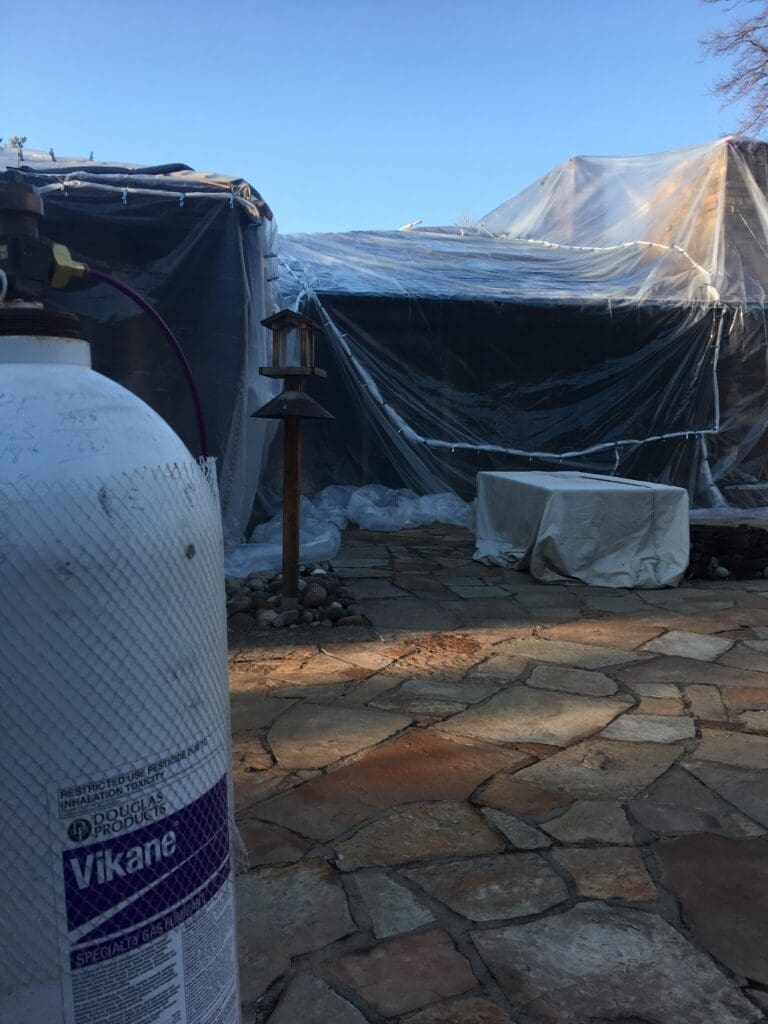
- Send your mattress and pillows out to be fumigated
- Use a product like Delta Dust to kill bed bugs in mattress (follow instructions and warnings carefully)
- Wash your linens in hot water (120 degrees F or higher) or have them dry cleaned (clothing too)
- Use special bed bug guards at the foot of your bed
- Try a blow dryer or a portable steam iron to flush the bugs out
- Raise the temperature in the house to 115 degrees Fahrenheit for at least 30 minutes
- Use bed bug control insecticide containing pyrethrin and dust any cracks or crevices you find (follow instructions and warnings carefully)
- Have carpets steamed by a professional
- Sprinkle food grade diatomaceous earth, an organic pest control product, on carpeting and vacuum in a couple of days
- Send your mattress and pillows out to be fumigated
- Wash your linens in hot water or have them dry cleaned
- Heat the areas of infestation, possibly the entire house, to 122 degrees Fahrenheit for at least 30 minutes
- Use an insecticide containing pyrethrin dust in any cracks or crevices (follow instructions and warnings carefully)
- Seal infested items like stuffed toys in a plastic bag
- Use hot steam on carpeting
- Try DE, food-grade diatomaceous earth, an organic pest control product
- Call a pest exterminator
- Vacuum the floors regularly
- Patch any wall cracks, nail holes, etc., with caulking, plaster or paint. Pay extra attention to window seals and door frames.
- Remove or re-paste any loose wallpaper
- Inspect your home's foundation for cracks that need repair
- Screen your attic and vents to keep pests like birds and bats from tracking in bugs
- Thoroughly inspect any second-hand items, especially upholstered furniture, before bringing it into your home
More than any other spot in a home, bed bugs are most frequently found in our bedding, particularly in between mattresses. There are a number of reasons why they choose to live here: one, it's dark with plenty of unexposed crevices; two, it's close to their favorite prey - you. If you're wondering how to kill bed bugs in a mattress, take these steps.
Diatomaceous earth is composed of ground silica, a sand-like powder that punctures the exoskeleton of bed bugs, causing them to lose the blood that sustains their energy. This is why small bloody spots are often left in areas where bed bugs were present. The best thing about diatomaceous earth is that it's natural and free of any harmful qualities, meaning it's perfectly safe to apply to your mattress.
- Live crawling bed bugs -- If you disturb live bed bugs, they'll scurry for dark places.
- Discarded bed bug skins -- Bed bugs shed their skins. So look for discarded skins. Seeing them, though, doesn't mean management hasn't already eliminated the bed bugs. The skins merely indicate that bed bugs were in the room once, but also might still be there.
- Droppings -- Look for small dark specks that could be bed bug droppings.
-
Specks of blood -- Look for specks of blood on sheets and pillow cases that indicate bed bugs fed on previous guests.Bed bugs like to hang out in certain places on or near the bed, so be sure to examine the sheets and pillows. Pull back the sheets and check the mattress, especially the seams, and behind the mattress tag. Also look under the mattress pad. Finally, examine the inside edges of the drawers of the night tables, along the wall boards, and behind picture frames.
-
-
Even if you find bed bugs in your room, you can avoid taking them home with you by doing three things:
- First, leave your luggage in the entryway until after you do your bed bug check.
- Second, bed bugs can be on the floor. So keep your luggage, clothes and shoes off the floor -- preferably on the luggage stand.
-
Third, inspect your clothes and other items carefully for bed bugs when you re-pack your suitcase to leave.
What to Do If You Discover Bed Bugs
If you discover bed bugs, change rooms. Remember, though, that the new room might have bed bugs, too. So perform a bed bug check in that room as well. Also, tell the management about the bed bugs - they won't want them around either. After all, bed bugs are bad for business. If they don't offer, ask them to wash and dry your clothing. You might even be able to get a discount on the room as well.
Homeowners usually don't think of natural ways to get rid of bed bugs, but there's a good reason why you should consider it the next time you're faced with these sleep invaders.
For one, it's also where you sleep, so spray pesticides and harsh chemicals are out of the question if you want to keep your mattress intact for a good night's sleep. Second, these are not the best ways to get rid of bed bugs anyway. Read on to learn more about how to kill bed bugs naturally and with minimal effort (for the most part).
In the specific case of bed bugs, wash the bed sheets frequently, including the pillow cases and bed skirt. Or, change them out often with new, clean sheets that have been washed at least once since its purchase.
Unfortunately, bed bugs are not partial to mattresses; they have been just as widely found in sofas, cushions, and essentially anything covered in fabric. For the things where washing is either impossible or too labor-intensive, vacuum them down with a nozzle head attached to a high-powered vacuum (even better if it's the kind specialized for fabric). Then consider following the next step: covering it in a plastic sheath.
Bed bugs have become an epidemic of late, which is leaving many people wondering, "How do you get bed bugs?" and if you get them, "How do you get rid of bed bugs?" Let's start with the basics:
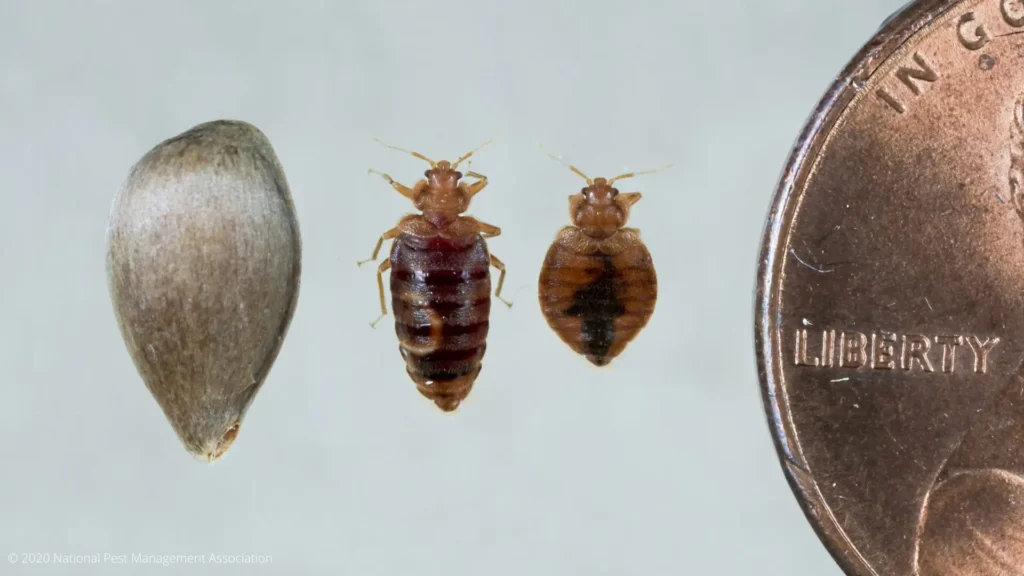
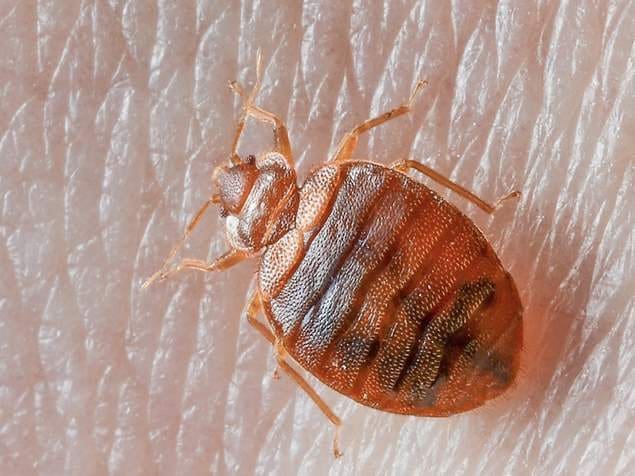
Bed bugs are small insects that feed on the blood of humans while they are asleep. Bed bugs are generally reddish-brown, oval in shape, wingless and flattened, and tend to burrow within mattresses, curtains, sofas and other cloth items within the home. These parasites leave red marks on their victims at the site where the blood was drawn. This may develop into a rash or sore as time goes on.
If you have any signs of bed bug bites on your body (the ankles are a common place for bed bugs to bite), you may want to check your mattress for these tiny parasites. Dried blood is a telltale sign, as are molts of these bugs. However, these bugs can be quite elusive and they may be difficult for the untrained eye to detect.
So how do you get bed bugs? Bed bugs can come into a home in a variety of different ways:
- Bed bugs and their eggs can "hitchhike" into your home on luggage, pets and even clothing that has come In contact with these parasites
- Bed bugs may live in areas near your home and could migrate their to find a blood meal
- Wild animals may drop the bed bugs or their eggs onto your home or in your yard. The bed bugs can then be picked up by a shoe or a pet and brought into the home.
As their name indicates, bed bugs are, indeed, insects with a penchant for taking up living quarters in the mattress and sheets of humans. Strictly speaking, however, bed bugs are parasites that live off the blood of mammals, particularly humans. The term 'bed bugs' was derived from their preference of living and breeding in the mattresses of humans, while using it as a base to do most of their feeding at night.
Scientifically, they are known as Cimex lectularius, a category that effectively places them with all parasites that feed on warm-blooded mammals. They are nocturnal and capable of numbing the bites done onto their hosts. They have been known colloquially by several names, including wall louse, crimson rambler, and redcoat for their hard, small, flat and reddish-brown exterior. They also lack wings and have a tendency to shed their skin, which is often used as evidence to track down their habitat.
On people:
- Bites. Bed bug bites are not particularly harmful, but they do leave annoying red swells all over the body that can be itchy.
- Sanitation. Bed bugs are still bugs that carry tons of bacteria with them.
- Possible spread of disease. This has yet to be concretely proven, so it remains a possibility.
On the home:
- Mattress and sheet infestation. Seeing how these are their favorite areas of habitation, mattresses and sheets will quickly become useless when bed bugs are around.
- Furniture degradation. Bed bugs can also live in between sofa cushion and pillows.
A recent resurgence of bed bug infestations in the United States has made bed bug prevention and eradication a hot topic. These small blood-sucking insects became virtually non-existent during the 1960s, but globalization and a reduced use of pesticides have led to a 70% increase in bed bug infestations in homes and hotels in certain areas of the country. If you suspect a bed bug infestation in your home, try a few simple trips and tricks to help you sleep easier:
- Vacuuming and cleaning are simple tasks that can lead to big results. Simply keeping the home clean helps keep bed bugs away. Pay special attention to the cleanliness of bedrooms, as bed bugs tend to nest in these areas by nature.
- If vacuuming and cleaning isn't deterring the bed bugs, you may want to try steam cleaning. The extreme heat produced by steam cleaning will kill bed bugs and their eggs quickly and effectively.
- Leave your mattress and other infested items outside to face extreme cold or heat, which will kill the bed bugs or drive them to seek more temperate environments elsewhere.
- Using a mattress cover is a great way to make sure the bed bugs don't bite! Though bed bugs can live up to one year without blood, the mattress cover acts as a barrier between you and these tiny parasites.
- If you are looking for a more natural approach, sprinkle diatomaceous soil on the mattress and around infested items. This specific type of soil is comprised of tiny jagged edges that kill off insects, but does not hard humans or pets.
- To prevent bed bugs from crawling onto the bed from other areas in your home, move the bed away from the wall, making sure that no sheets or blankets are coming in contact with the floor. Place the legs of the bed into dishes of mineral oil to deter the bed bugs from crawling onto the mattress.
- Signs of an infestation include dead bed bugs, blood spots, and cast bug skins. If you detect any of these indications, and have tried several home remedies, you may want to dispose of the mattress.
These home remedies are effective in helping many decrease the bed bugs in their home. Every home is different and the size of bed bug infestation may vary, so try several of these remedies before giving up on a good night's sleep.
- Bed bug bites can cause itchiness, redness, and sores
- Bed bugs suck a host's blood for five minutes at a time
- Bed bugs can live up to a year without a blood meal
-
Female bed bugs lay up to twelve eggs every day
No matter how much experience some homeowners have in getting rid of pests, there is nothing quite like getting rid of bed bugs. Miniscule and parasitic, bed bugs are also known as "redcoats" - bloodthirsty insects that are red in color and unrelenting in their nightly attacks. And with their ability to lay eggs and spread all over the house, it may seem near impossible to get rid of these pests completely.
In fact, bed bugs can be thoroughly eliminated if one is aware of the bed bugs' origins and where they've set up camp in the home. Bed bugs, though small, are prone to leaving clues that trace back to their home base. Some of these clues may comprise of shedding, dried blood spots, and even feces. They also prefer living in dark, confined spaces that keep them isolated and thus, protected. Corners, sofa cushions, and naturally, bed mattresses, have been some of the common locations for bed bugs.
The real challenge in getting rid of bed bugs is to be fully assured of their complete elimination. Due to their small size and ever-multiplying population, however, it can be impossible to tell whether you've successfully gotten rid of all the bed bugs in your home. While no one can ever provide that assurance, you can do your best by taking important steps in cutting off bed bugs from your home:
- Get rid of old furniture, especially ones with cushions that bed bugs can thrive in
- Wash or dry clean all rugs, pillow cases, sheets, and fabrics in your home
- Seal corners and cracks where bed bugs linger
- Cover mattresses with a plastic sealing sheet
- Keep your home clean!
Bed bugs are an incredible nuisance that disgust and repel homeowners everywhere. And rightly so - the small, parasitic bugs can infiltrate every corner and crevice of the home to feed and multiply prolifically. People, pets, and furniture are not immune to attacks by bed bugs, which is why knowing how to kill bed bugs can create a healthier home environment for all of its residents.
Killing individual bed bugs is not so difficult. Due to their near microscopic size and exoskeleton body frame, one can squish a single bed bug easily with the pressure of a thumb. However, this does not mean that you have successfully gotten rid of the bigger bed bug problem. Bed bugs enter homes for a few reasons:
- Food source from the blood of sleeping humans and pets
- Old, non-refurbished furniture
- Luggage or other items from foreign travel
- Unsanitary living conditions
Once bed bugs decide to stay in your home, it can seem impossible to get rid of them completely. But knowing how to kill bed bugs (ALL bed bugs) takes good strategizing and patience. The important thing to remember is that bed bugs can be killed and rid of permanently.
If you've found bed bugs around your bed sheets or curtains, wash the fabric in scalding hot water and dry them under the sun or through an intense heat dryer. This will get rid of the existing bed bugs and their larvae. If there are bed bugs around the furniture or hiding in the corners, release pesticides bombs or steam vacuum the area to get rid of all traces of bed bugs.
When it comes to killing bed bugs, it doesn't have to be expensive or time-consuming, but it does need to be thorough and complete. If you need more advice and information on pest control and how to get rid of bed bugs, contact a local pest exterminator to get started on living in a bed bug-free home.